
Overseas-Manufactured Products
Approx.80%
Share of consultations in which missing documentation or compliance gaps were identified
In the Japanese Market
More than 500 PSE certification
projects completed in Japan.
ABOUT THE PSE SYSTEM
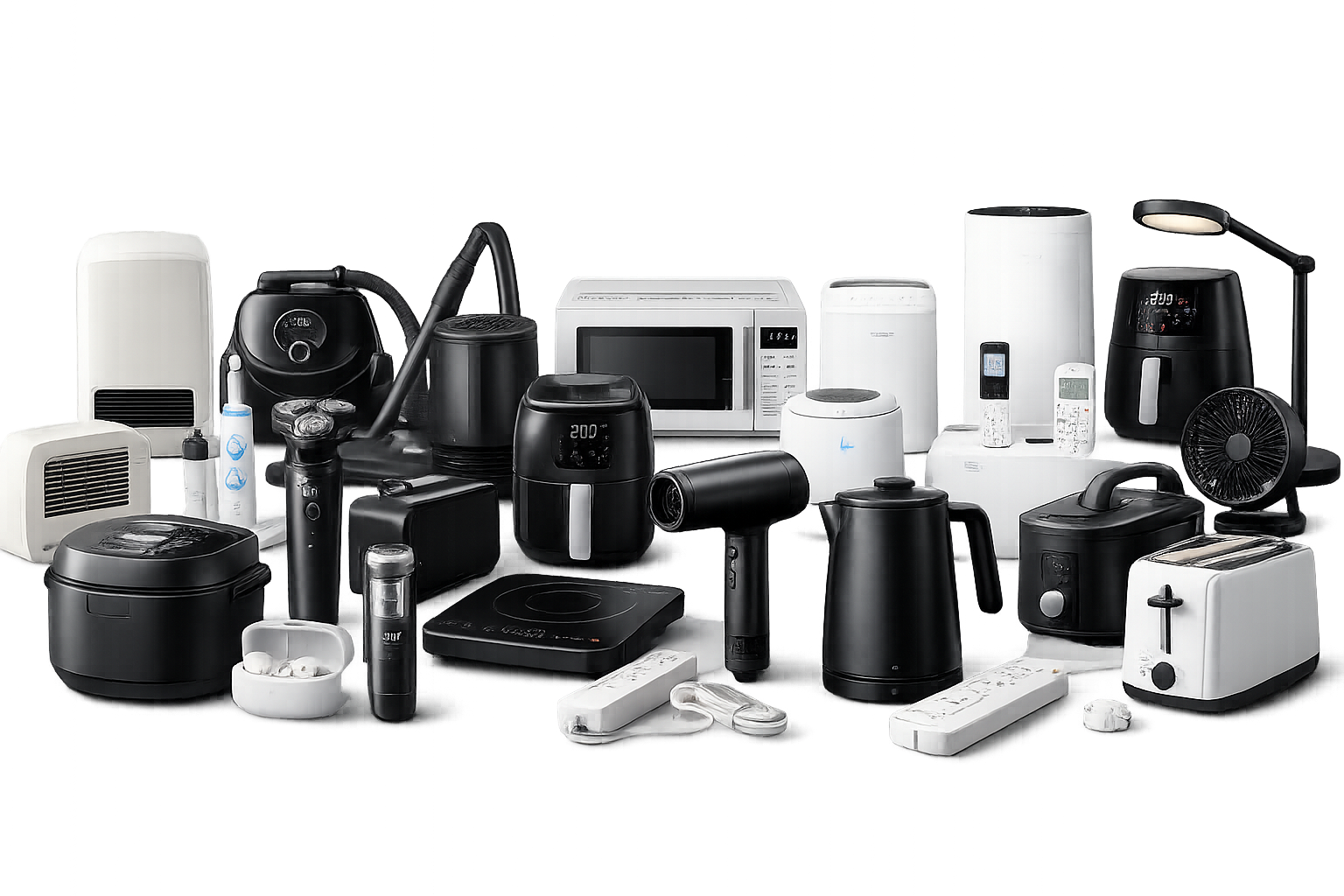
The PSE system is administered by Japan’s Ministry of Economy, Trade and Industry. The PSE mark is not decoration intended to suggest safety; it indicates that manufacturers and importers have fulfilled their legal obligations.
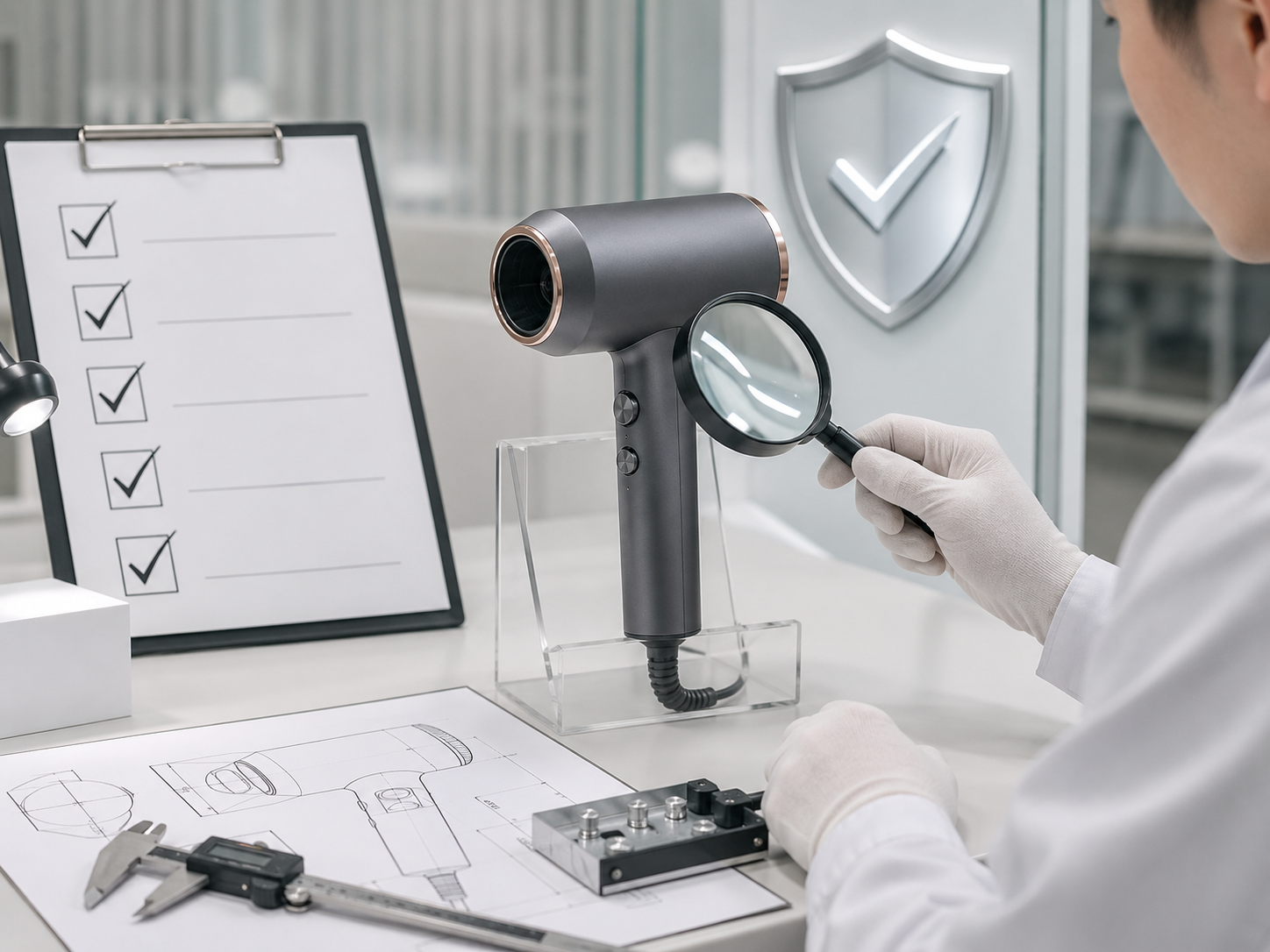
Products must undergo the required tests under Japan’s applicable technical standards. Their construction, components, wiring, insulation, labeling, and other requirements must be verified.
Yet, in Practice
CAUTION
If technical non-compliance is identified through inspections by regional METI bureaus or NITE, or through market-surveillance purchase testing, sales may have to stop until corrective action is completed.
Depending on the violation and the safety risk, products already sold may also need to be recalled.
Not only for the product itself, but also for its test reports, components, production specifications, and inspection records—could you present complete evidence if a regional METI bureau or NITE asked for it?
Published Data
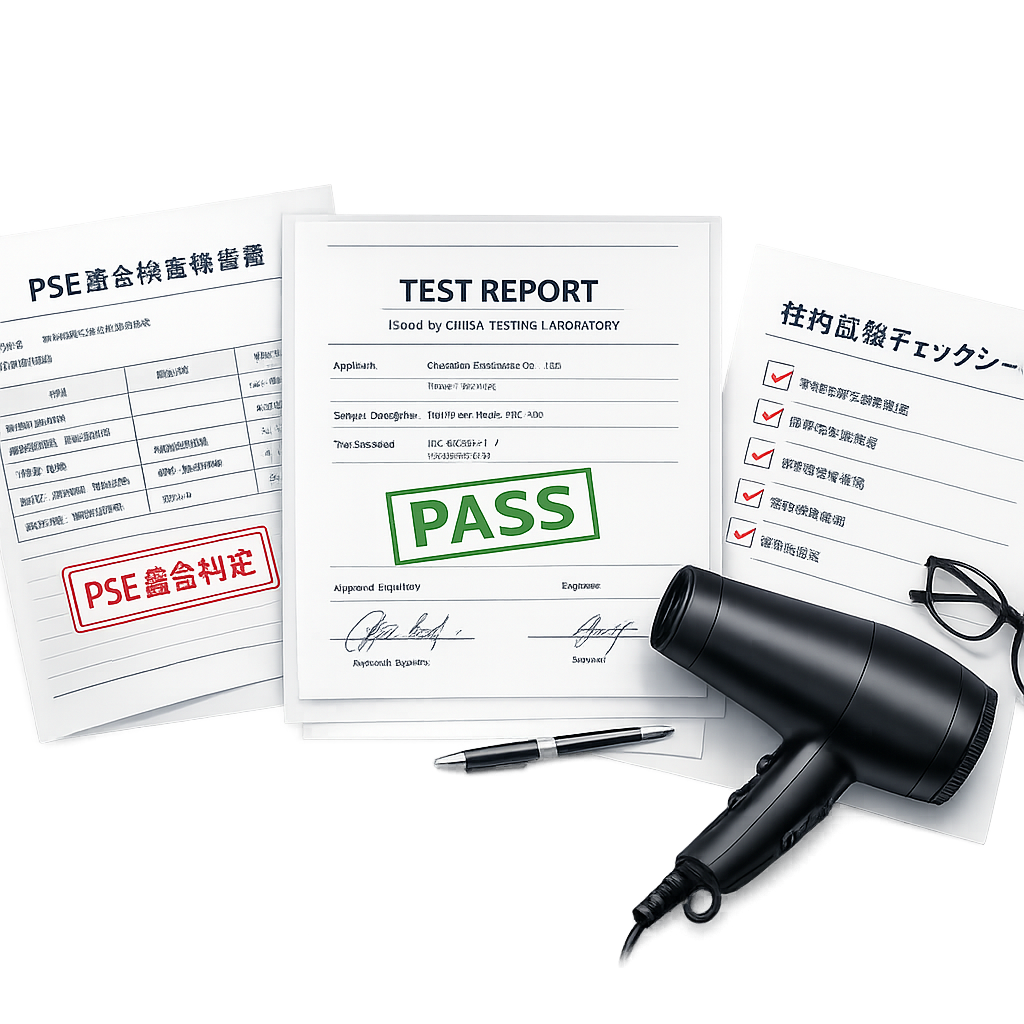
Even when test reports or PSE documentation are available, verification against the applicable technical standards may still be insufficient.
Technical non-conformity rates identified in published test-buy data
FY2023 Overall
FY2023 Specified Products
FY2024 Preliminary Overall
Source: Compiled by JPSEA from METI's published FY2023 and FY2024 electrical appliance safety test-buy results.
Share of consultations in which missing documentation or compliance gaps were identified
Share of consultations in which missing documentation or compliance gaps were identified
Do not rely solely on a manufacturer's explanation or the presence of a PSE mark. Independent third-party verification before a transaction is essential.
The compliance gap
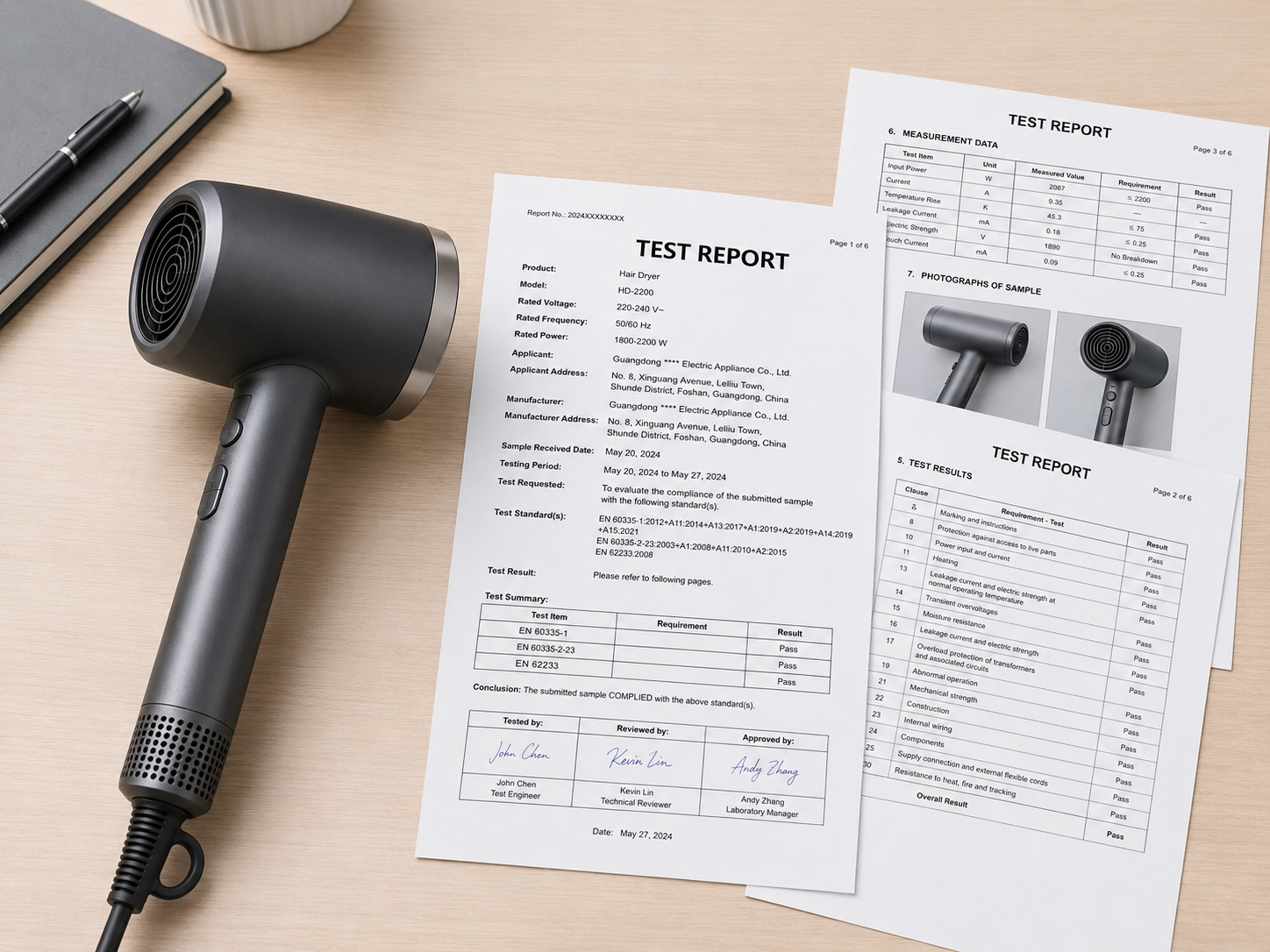
A PSE report provided by your manufacturer.
A report issued by an overseas laboratory.
An in-house conformity assessment.
A PSE Mark does not automatically mean a product complies with Japanese technical standards.
JPSEA Solution
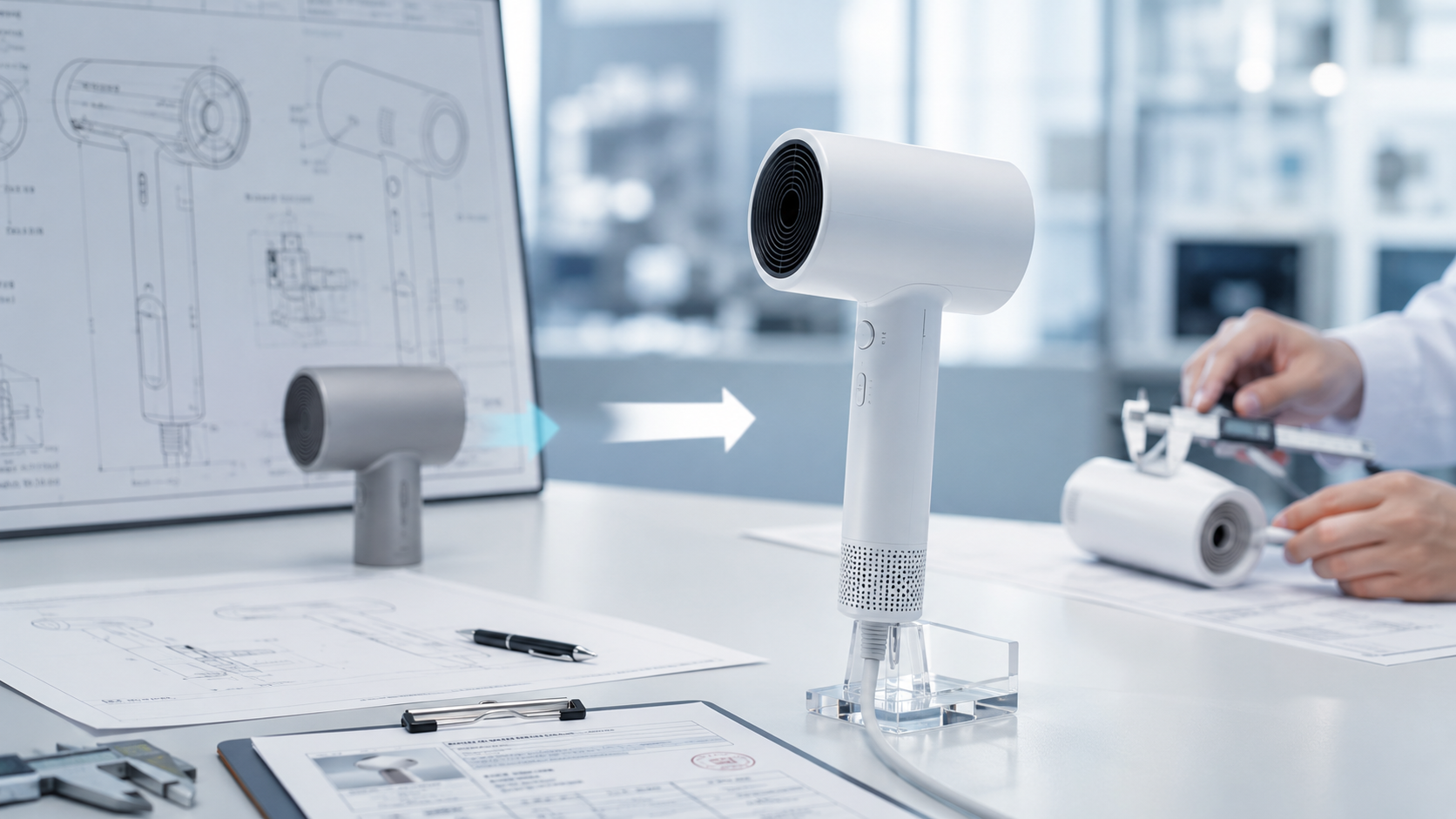
We solve each product’s challenges in three ways.
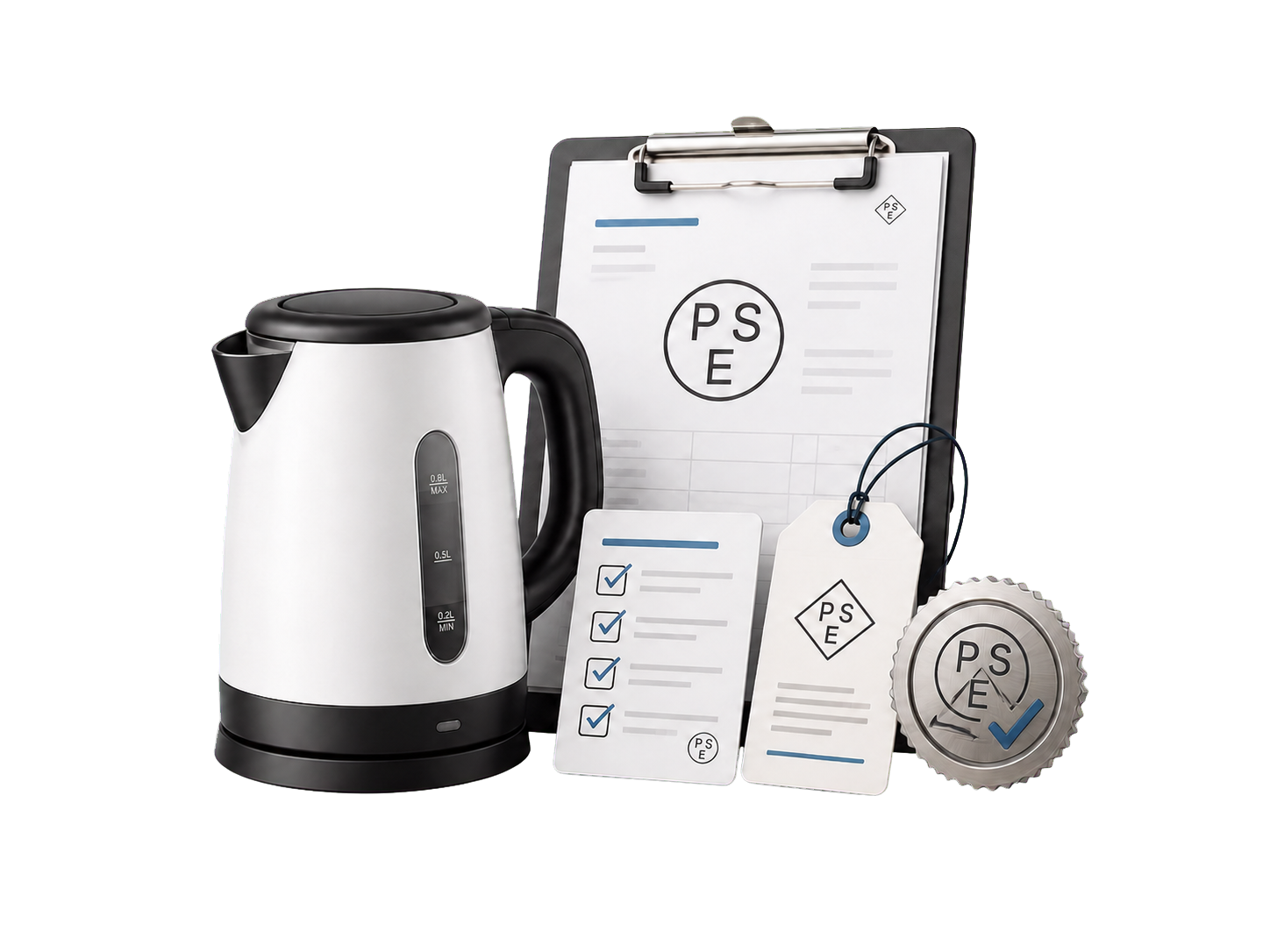
When the product complies with Japan’s technical standards, we handle testing, notification, and labeling as one complete process.
View PSE Certification Support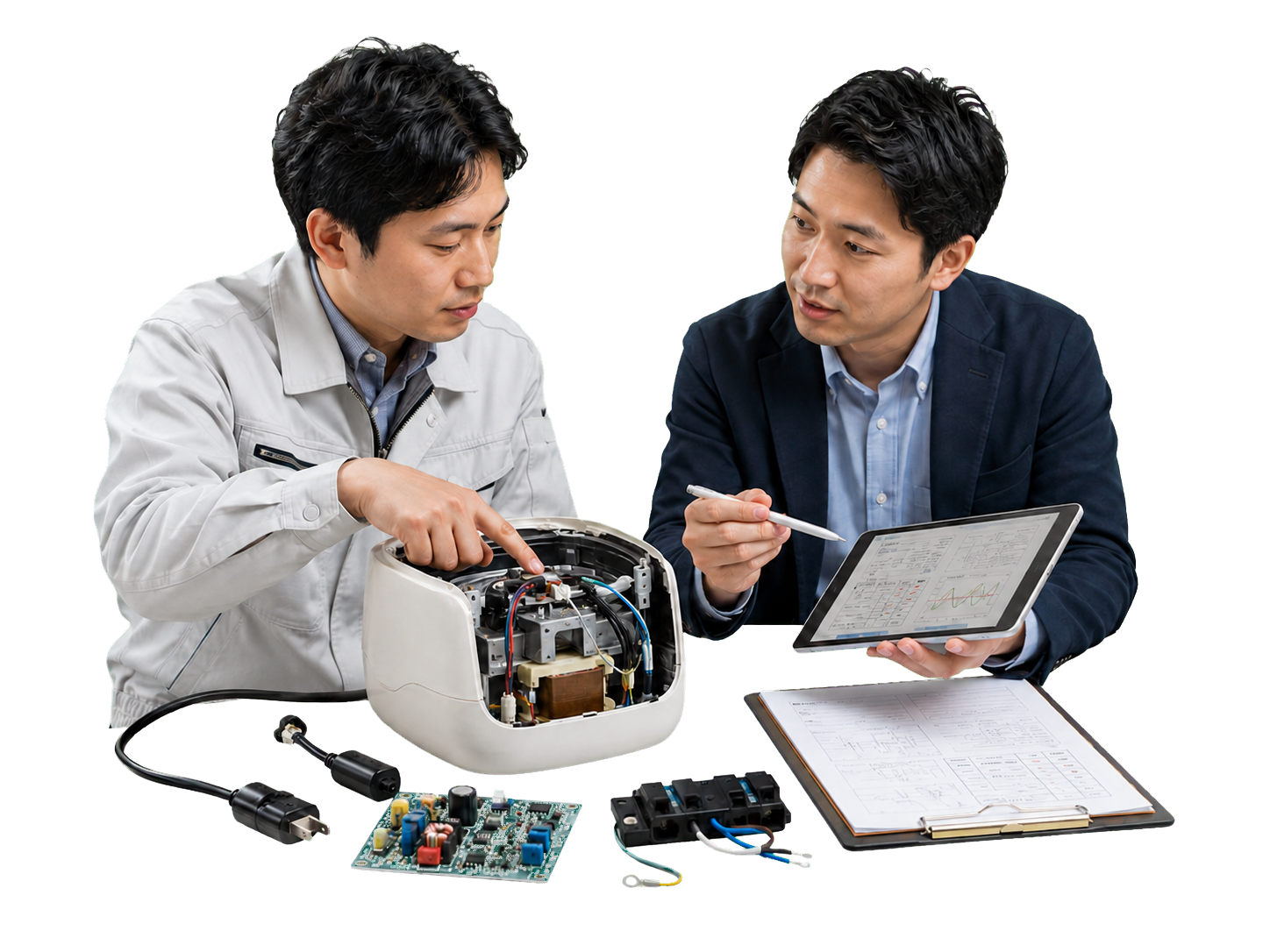
We identify non-conforming areas and design improvements to structure, components, wiring, EMI, and related requirements.
View Technical Consulting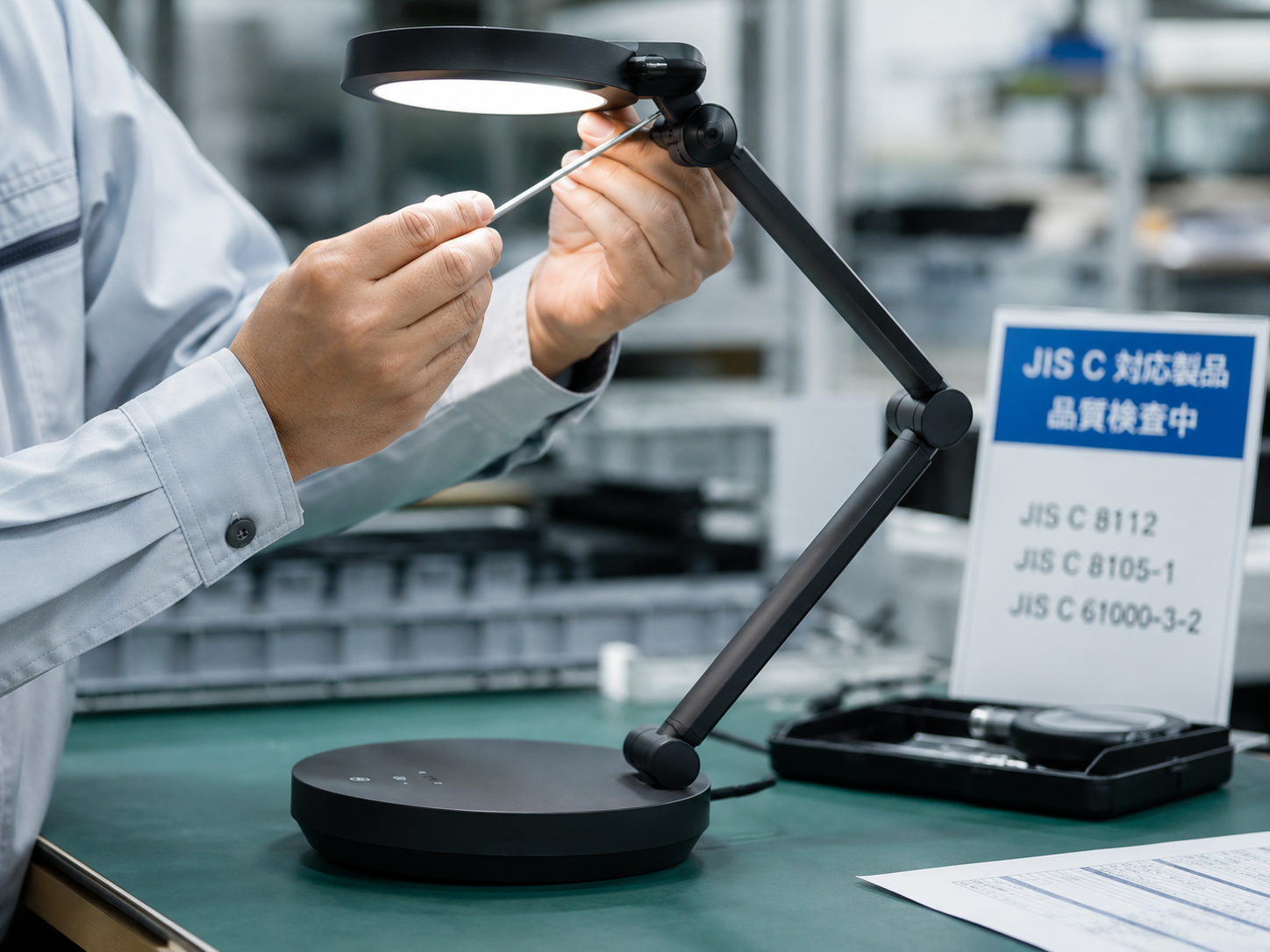
From compliance and PSE certification through quality improvement and mass production, we deliver finished products ready for sale in Japan.
View Contract ManufacturingTrack record
More than 500 Circular PSE Certification Agency Projects
JPSEA has helped build a market-compliant base for products and supported over 500 brands in the Japanese market.
COMPLIANCE STRATEGY
Turn regulatory compliance into the power to protect and expand the market share you have built.
Reflect technical standards in design to raise safety and completeness.
Lower the risk of inspections, market tests, and sales suspension.
Make compliance evidence clear and build products customers can choose with confidence.
Turn compliance and quality management into an advantage competitors cannot easily copy.
A PRACTICAL PARTNER
We support notification, labeling, and mass production after certification.
We identify the cause of non-compliance and improve the product itself.
We reflect real inspection, filing, and administrative practices—not standards alone.
We stay with you from design improvement and component selection through mass production.
We continuously manage conformity between tested samples and production units.
We optimize products for Japan’s unique technical standards and regulations.
A CLEAR PATH TO MARKET
Send product specifications, test reports, product photos, and any other available materials.
We identify applicable standards, missing tests, structural issues, and anticipated risks.
Based on the diagnosis, we present the required tests, product improvements, cost, and schedule.
We support every step required for sale, including design improvement, testing, manufacturing, notification, PSE labeling, and mass-production quality control.
A. A PSE mark alone may not be sufficient.
The product must comply with the applicable technical standards, and the supporting test reports, technical documentation, and inspection records must be complete. JPSEA checks not only whether the mark is present, but also whether the product and its evidence are consistent.
A. That cannot be determined until the report has been reviewed.
We often find missing test items, methods that do not match JIS C requirements, differences between the tested sample and the production unit, or component changes made after testing. Send us the product documentation and report, and we will assess whether they can be used.
A. Yes. We can provide an independent third-party review.
Even an internal conformity assessment may have gaps in the selected standards, test items, judgment methods, or supporting evidence. We organize the current assessment and identify any additional testing or documentation required.
A. It may be possible after the cause of non-compliance is identified and corrected.
We review construction, components, wiring, insulation, waterproofing, grounding, EMI, and other factors, then design corrective measures. JPSEA supports technical instructions to the manufacturer, prototype review, and retesting.
A. We support JIS C-compliant design, PSE certification, mass production, quality improvement, and delivery.
Our end-to-end support includes adapting existing products for Japan, changing components, prototyping, testing, technical coordination with factories, and production management. We deliver finished products ready for sale in the Japanese market.
START WITH A FREE CONSULTATION
Protect the Market Share You Have Built Through Compliance.
Build a foundation for products that keep selling—with JPSEA.